How to Use Credit Cards to Build and Improve Your Credit History
Understanding the Advantages of Credit Cards
Credit cards, when used thoughtfully, can become a pivotal element in your financial toolkit. They provide more than just the ability to make purchases; they are a gateway to building a bright financial future. By embracing credit responsibly, you not only increase your purchasing power but also set a solid foundation for establishing a robust credit history, which is essential when seeking loans, mortgages, or even renting an apartment.
Establishing a Credit Record
One of the primary benefits of utilizing a credit card is the opportunity it creates to build a positive credit history. When you use a credit card for everyday purchases—like groceries or gas—and pay off the balance consistently, you demonstrate to lenders that you are a responsible borrower. This activity helps create a credit profile that lenders access when analyzing your creditworthiness. For instance, first-time homebuyers often need a decent credit score to qualify for a mortgage, and a good credit record developed through responsible credit card use can directly influence that score.
Improving Credit Scores
Additionally, responsible credit use is a crucial factor in boosting your credit score. Credit scoring models generally reward individuals who maintain low balances relative to their credit limits while consistently making on-time payments. For example, if you have a credit card with a $5,000 limit and you keep your balance below $1,500, that results in a utilization rate of 30%. This is considered favorable and can lead to an increase in your credit score. Over time, a higher score can open doors to lower interest rates and more favorable loan terms.
Rewards and Benefits
Many credit cards also come with enticing rewards and benefits that enhance your shopping experience. For instance, cashback rewards allow you to earn a percentage of your spending back as cash or credit. Some travel cards provide points for every dollar spent, which can be redeemed for flights, hotel stays, and other travel experiences. Imagine planning a dream vacation funded largely by the points earned from routine purchases! Furthermore, cards often come with other perks, such as extended warranties, purchase protection, and travel insurance, all of which add significant value.
However, it’s essential to remember that with great power comes great responsibility. Credit cards can be double-edged swords if not handled properly. High-interest rates and accumulating debt can lead to a downward spiral of financial hardship. Therefore, understanding the nuances of credit utilization, prompt payments, and the terms of your credit card agreement becomes imperative.
In this guide, we will discuss practical strategies to help you transform your credit card into an ally in your journey towards financial empowerment. Embrace the possibilities that lie ahead, and allow yourself the chance to take charge of your financial destiny!
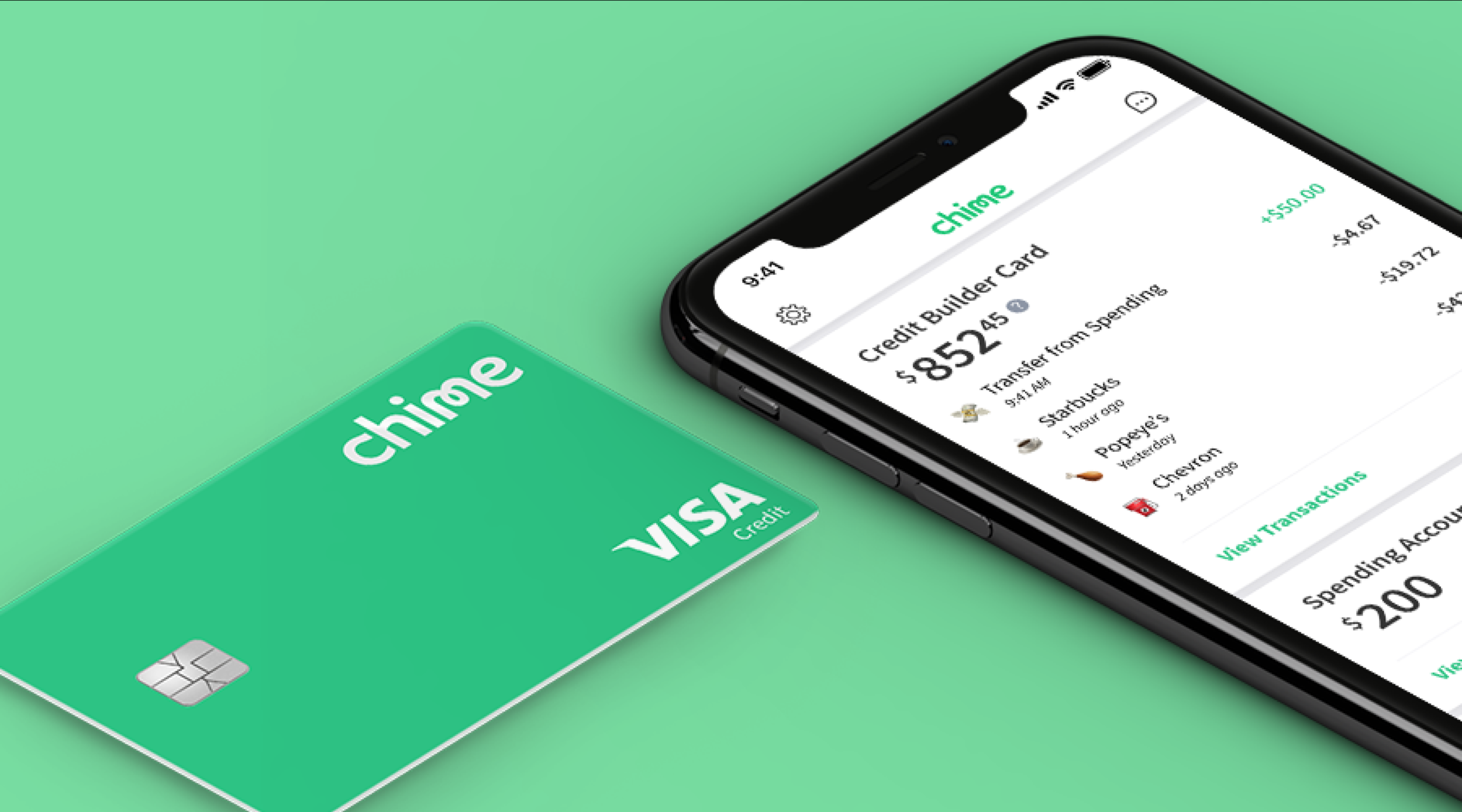
DISCOVER MORE: Click here for details on applying for the Secured Chime Credit Builder Card
Smart Strategies for Responsible Credit Card Use
Building and improving your credit history is not just about having a credit card; it’s about how you manage it. When approached with care and awareness, credit cards can play an influential role in shaping your financial future. To effectively use credit cards for enhancing your credit history, consider the following strategies that can set you down the path to financial success:
Make Timely Payments
One of the most impactful actions you can take is to ensure that your credit card payments are made on time. Payment history is often the largest factor in credit scoring models, accounting for about 35% of your score. By consistently making your payments punctually, you signal responsibility and reliability to lenders. Setting up automatic payments or reminders can help you stay on track and avoid any late fees.
Keep Credit Utilization Low
Your credit utilization ratio, which is the percentage of your available credit that you’re currently using, is another key component of your credit score. A lower ratio suggests that you are not overly reliant on credit, which is viewed positively by creditors. Aim to keep your utilization below 30% of your total credit limit. For instance, if you have a credit line of $5,000, try to keep your balance under $1,500. This not only boosts your credit score but also allows for financial flexibility when needed.
Regularly Monitor Your Credit Reports
Staying informed about your credit standing is essential to ensuring it remains healthy. Regularly checking your credit reports can help you identify any inaccuracies or fraudulent activity that may affect your score. In the United States, you can access your credit reports for free once a year from each of the three major credit bureaus—Experian, TransUnion, and Equifax—at AnnualCreditReport.com. Reviewing these reports allows you to catch issues early and dispute any discrepancies that may arise, enabling you to keep your credit history pristine.
Choose the Right Credit Card
The credit card you select can significantly impact your ability to build a positive credit history. Consider the following when choosing a card:
- Low Interest Rates: Opt for cards with low APRs to avoid high interest on any unpaid balances.
- No Annual Fees: Many cards come with no annual fees; this can save you money while still providing credit-building opportunities.
- Rewards Programs: If you pay off your balance each month, consider cards that offer rewards which can come back to you when used wisely.
Remember, the choices you make with your credit card can echo throughout your financial journey. By focusing on these strategies, you cultivate a positive credit history that not only reflects your fiscal responsibility but also paves the way for future financial opportunities. With each responsible decision, you’re not just building credit—you’re building a future filled with possibilities!
DISCOVER MORE: Click here to find out how to apply
Building Credit Through Strategic Use of Credit Cards
The journey to a solid credit history isn’t merely about the numbers; it’s about building a relationship with credit that reflects your financial habits. By taking intentional steps, you can use your credit card as a powerful tool to fortify your creditworthiness. Here are more strategies that can catapult your credit-building efforts:
Maintain a Diverse Credit Mix
Having different types of credit accounts can work in your favor when it comes to your credit score. Lenders like to see a mix; it demonstrates your ability to manage various accounts responsibly. While credit cards are essential, consider adding an installment loan, like a personal loan or an auto loan, to your mix. This diversity shows lenders that you can handle different forms of credit. However, be cautious and ensure that any new credit line fits comfortably within your budget to avoid overextending yourself.
Limit New Applications
Every time you apply for a new credit card, a hard inquiry is generated on your credit report, which can slightly lower your score. Too many inquiries in a short period may signal to lenders that you are desperate for credit. Instead of applying for multiple cards at once, focus on building your credit history steadily over time. If you receive targeted offers or rewards for your spending habits that align with your goals, evaluate them carefully before committing.
Use Your Card Regularly
Active use of your credit card demonstrates to creditors that you are a responsible borrower. However, this does not mean accumulating debt. Instead, frequently use your card for everyday purchases—like groceries or gas—while ensuring the balance is paid in full every month. This strategy not only assists in boosting your utilization rate but also helps you build a positive payment history, which constitutes that significant portion of your credit score.
Take Advantage of Authorized User Opportunities
Another effective way to enhance your credit history is through being added as an authorized user on someone else’s credit card account, ideally one that has a great payment history and low credit utilization. The positive payment history of the primary account holder could reflect on your credit report, boosting your credit score. Make sure to discuss responsibilities and ensure the primary user maintains good credit habits—share the journey with someone you trust!
Understand Your Credit Card Fees and Terms
Fully understanding the terms and conditions of your credit card can save you from potential pitfalls. Some cards may have hidden fees that can affect your credit utilization and overall financial health. Read through the fine print regarding interest rates, late payment penalties, and cash advance fees. By knowing what to expect, you can avoid fees that could derail your efforts to build good credit.
By employing these strategies, you’re making conscious decisions that speak volumes about your financial acumen. Your credit history doesn’t have to be a daunting aspect of your financial life; it’s an opportunity to showcase your strengths as a responsible borrower. Approaching credit cards with intention and care can nurture a trustworthy credit profile that opens doors to future endeavors, from loans to better interest rates. Truly, each step you take is a stride towards creating a robust financial foundation for years to come.
DISCOVER MORE: Click here to learn how to apply
Conclusion: Embrace the Journey of Credit Building
In conclusion, your credit history is more than just a score; it’s a reflection of your financial identity and trustworthiness in the eyes of lenders. By adopting the right strategies surrounding credit card usage, you can pave the way for lasting financial success. The key lies in responsibly managing your credit card—from maintaining a diverse credit mix to limiting new applications, using your card regularly for manageable purchases, and taking advantage of opportunities like being an authorized user. Each of these actions contributes significantly to enhancing your credit profile.
Remember, knowledge is power. Fully understanding your credit card’s terms can prevent costly mistakes that could hinder your credit-building efforts. Stay informed and proactive; managing your credit wisely is a journey worth investing in. As you nurture your financial habits, you’re not just building a credit score—you’re cultivating a future rich with possibilities, such as favorable loan terms, lower interest rates, and greater financial freedom.
As you reflect on these steps, recognize that every responsible action contributes to a solid credit history, allowing you to create a financial foundation that supports your dreams. Embrace this journey with intention, discipline, and confidence. The path to a healthier credit profile is within your reach, and with perseverance and wise choices, you can transform your financial life.

Linda Carter
Linda Carter is a writer and expert known for producing clear, engaging, and easy-to-understand content. With solid experience guiding people in achieving their goals, she shares valuable insights and practical guidance. Her mission is to support readers in making informed choices and achieving significant progress.