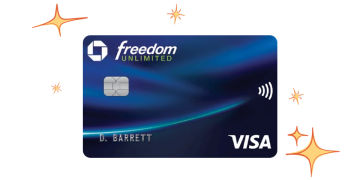
How to Apply for the Chase Freedom Unlimited Credit Card Online
The Chase Freedom Unlimited Credit Card offers 1.5% unlimited cash back on all purchases, no annual fee, and a 0% intro APR for 15 months on purchases and balance transfers. Enjoy enhanced rewards with 5% back on travel via Chase Ultimate Rewards and 3% on dining and drugstores.

How to Apply for the Capital One Spark Miles Credit Card Easy Guide
The Capital One Spark Miles Credit Card offers unlimited 2x miles on all purchases, no foreign transaction fees, and a one-time bonus for new cardholders. Cardholders can transfer miles to 15+ travel programs, and issue free employee cards, maximizing rewards and enhancing business travel savings.
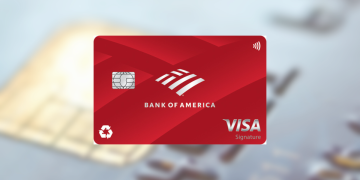
How to Apply for Bank of America Customized Cash Rewards Credit Card
The Bank of America Customized Cash Rewards Credit Card offers 3% cash back in your chosen category and 2% at grocery stores and wholesale clubs, all with no annual fee. Enjoy a 0% introductory APR for 15 billing cycles, and Preferred Rewards members can boost cash back by 25%-75%.
How to Easily Apply for a BankAmericard Credit Card Online
The BankAmericard Credit Card offers a low introductory APR, no annual fee, and a competitive balance transfer feature. Cardholders enjoy free access to their FICO Score and robust security measures, including fraud protection and quick card lock capabilities, ensuring financial health and peace of mind.
How to Apply for Bank of America Unlimited Cash Rewards Credit Card
The Bank of America Unlimited Cash Rewards Credit Card offers unlimited 1.5% cash back on all purchases, a 0% introductory APR for 15 billing cycles, and no annual fee. Preferred Rewards members receive a 25% to 75% cash back bonus, enhancing financial benefits significantly.
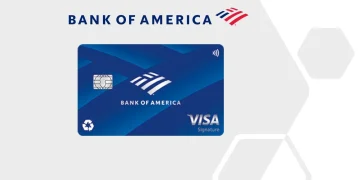
How to Apply for Bank of America Travel Rewards Credit Card
The Bank of America Travel Rewards Credit Card offers no foreign transaction fees, unlimited 1.5 points per dollar spent, and 25,000 bonus points when spending $1,000 in the first 90 days. It also provides travel and emergency assistance, making it perfect for frequent travelers seeking savings and security.

Apply for Bank of America Premium Rewards Credit Card Step-by-Step Guide
Earn unlimited rewards with the Bank of America Premium Rewards Credit Card, offering 2 points per dollar on travel and dining. Enjoy $100 annual travel credits, purchase protection, and boosted point earnings for Preferred Rewards members. This card ensures valuable perks for frequent travelers and diners.

How to Apply for the American Express Gold Credit Card Today
The American Express Gold Credit Card offers valuable benefits, including 4X points on dining and U.S. supermarkets, 3X on flights, $120 in Uber Cash, and $120 in annual dining credits. With no foreign transaction fees, it's perfect for foodies and travelers seeking robust rewards and savings.

How to Apply for USAA Advantage Credit Card Easy Steps Tips
The USAA Advantage Credit Card offers low interest rates, exclusive military benefits, no annual fees, and robust fraud protection. Ideal for military members and their families, it ensures financial security and 24/7 customer service, making it a cost-effective choice for responsible spending and financial peace of mind.

How to Apply for the Preferred Cash Rewards Visa Signature Credit Card
The Preferred Cash Rewards Visa Signature Credit Card offers unlimited 1.5% cash back on every purchase, no annual fees, and competitive APR rates. It also provides extensive fraud protection, ensuring secure transactions and a cost-effective way to earn rewards on everyday spending.